
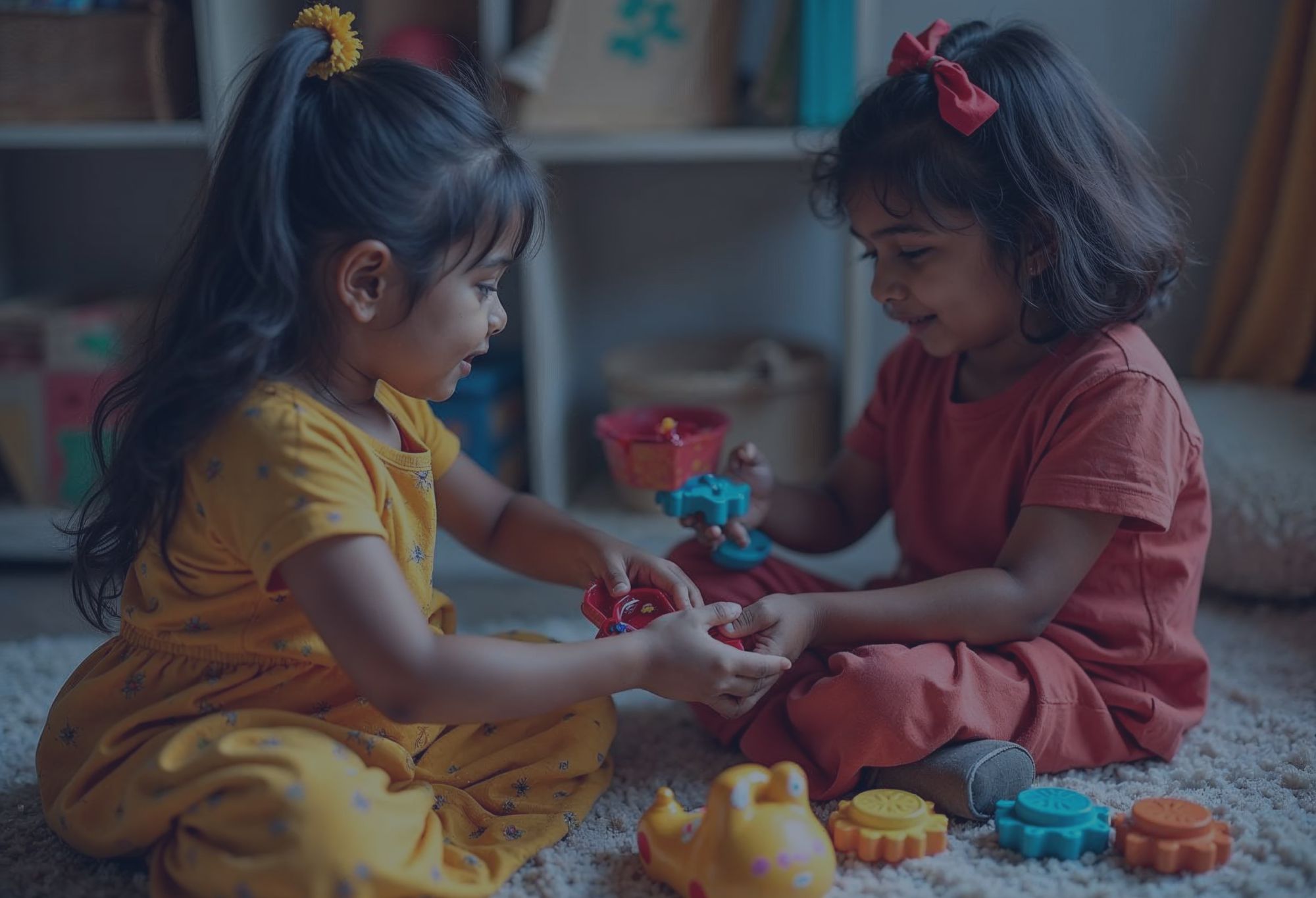
In a fast-moving world where achievement often takes center stage, teaching children to be kind and understanding is more important than ever. Teaching empathy to children is not just about good behavior—it’s about helping them grow into thoughtful, emotionally strong individuals.
As parents, the small lessons you teach today shape how your child connects with the world tomorrow.
What is the importance of empathy in children?
The importance of empathy in children lies in their ability to understand and share the feelings of others.
Children who develop empathy:
- Build deeper friendships
- Communicate better
- Show respect and kindness
Empathy strengthens emotional intelligence in kids, which is essential for both personal and academic success.
How does empathy influence child emotional development?
Empathy plays a major role in child emotional development.
When children understand emotions:
- They manage their own feelings better
- They respond calmly in difficult situations
- They develop stronger social skills
This emotional awareness helps them navigate life with confidence.
How can parents start teaching kindness to kids?
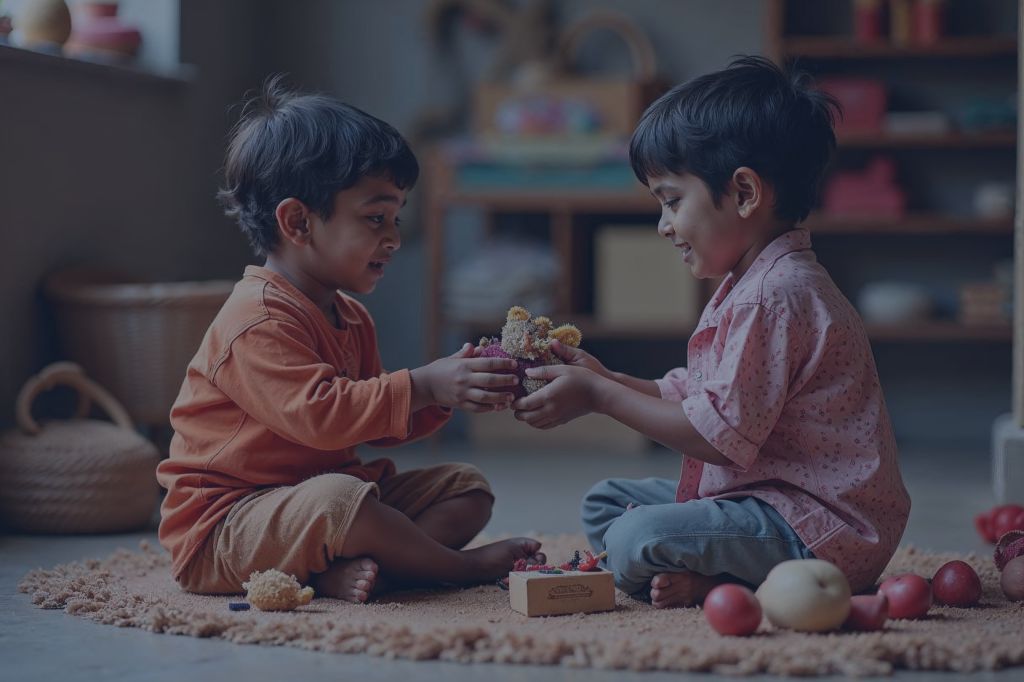
If you’re looking at teaching kindness to kids, start with everyday moments.
Simple ways to begin:
- Encourage sharing and helping
- Talk about feelings openly
- Use real-life situations to explain empathy
For example, if a friend is upset, ask your child, “What do you think they might be feeling?”
What are practical parenting tips for empathy?
Consistency is key when it comes to parenting tips for empathy.
Try these:
- Be a role model—children imitate your behavior
- Appreciate kind actions
- Encourage gratitude
- Avoid harsh reactions—explain instead
Children learn empathy not through lectures, but through lived experiences.
How to raise compassionate children in daily life?
If your goal is how to raise compassionate children, focus on habits that build awareness.
Encourage:
- Helping at home
- Being polite and respectful
- Understanding different perspectives
These small actions build kindness and compassion in children over time.
How does social emotional learning for children help?
Social emotional learning for children (SEL) is becoming an essential part of education.
It helps children:
- Recognize emotions
- Build relationships
- Make thoughtful decisions
Schools that emphasize SEL support both emotional and academic growth.
Why is empathy important for your child’s future?
Empathy is a life skill that goes far beyond childhood.
Children who learn empathy:
- Become confident communicators
- Build meaningful relationships
- Handle challenges with maturity
In a competitive world, kindness remains a powerful strength.
How do schools support empathy and emotional growth?
A child’s environment plays a huge role in shaping their values.
Schools that focus on:
- Holistic development
- Collaborative learning
- Respect and inclusivity
…help nurture empathy naturally. This is why many parents look for institutions that balance academics and values—often considered among the best schools in Bangalore.
What small habits can build empathy at home?
You don’t need big changes to make a difference.
- Listen without interrupting
- Validate your child’s feelings
- Encourage acts of kindness
- Reduce screen time and increase real interactions
These everyday habits strengthen emotional bonds and awareness.
Final Thoughts: Raising Kind Humans Starts at Home
Teaching empathy to children is one of the most meaningful investments you can make in your child’s future. It’s not about being perfect—it’s about being present, patient, and consistent.
Aikya World School is a leading CBSE school in Bangalore, nurturing not just academic excellence but also values like empathy, kindness, and emotional intelligence. Call 097399 49000 or fill out the enquiry form on our website to learn more about our holistic approach to education.