
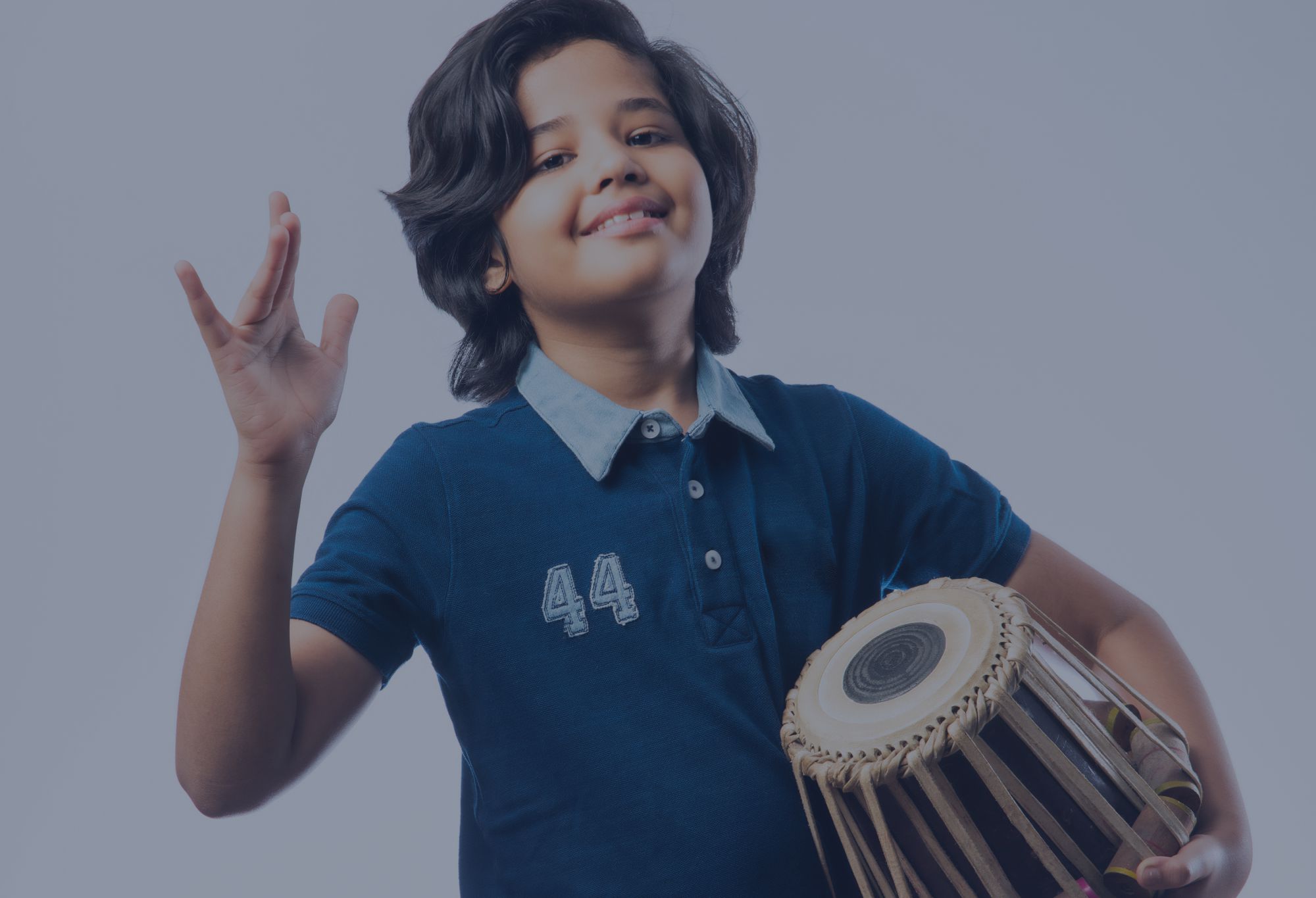
As parents, we often focus on academics—math, science, and language skills. But have you ever noticed how your child lights up when they hear music or start humming a tune?
The importance of music in school curriculum goes far beyond just learning songs. Music plays a powerful role in shaping a child’s confidence, creativity, and emotional well-being. In a city like Bangalore, where education is becoming increasingly competitive, music offers a much-needed balance for children.
Why is music important in a child’s education?
Music is not just an “extra” activity—it’s a core part of learning.
When children engage with music, they:
- Improve memory and concentration
- Develop better listening skills
- Enhance emotional expression
Think about a classroom where children learn through rhythm and songs—it becomes more engaging, and concepts are easier to remember. This is why the role of music in education is gaining importance worldwide.
How does music support child development?
The connection between music and child development is truly fascinating.
Music helps children:
- Strengthen brain development
- Improve language and communication skills
- Build coordination and motor skills
For younger children especially, music acts as a bridge between play and learning. Whether it’s clapping to a beat or learning rhymes, these small activities contribute to overall growth.
Can music really contribute to holistic development?
Absolutely and this is where music becomes invaluable.
Holistic development through music means nurturing not just academic skills, but also emotional and social abilities.
Through music, children learn:
- Teamwork (group performances, choir)
- Confidence (performing on stage)
- Discipline (practice and consistency)
It’s not just about becoming a musician it’s about becoming a well-rounded individual.
What are the benefits of music education for students?
The benefits of music education for students extend into both school life and beyond.
Some key advantages include:
- Better academic performance
- Increased creativity and imagination
- Reduced stress and anxiety
- Improved focus and patience
Many parents notice that children involved in music are more expressive and confident in everyday situations.

How do schools integrate music into learning?
Modern schools understand that extracurricular activities in schools, like music, are essential for balanced education.
Music can be integrated through:
- Dedicated music classes
- School bands and performances
- Cultural events and competitions
- Interactive classroom learning with rhythm and sound
At Aikya World School, music is not treated as an afterthought—it’s an integral part of learning, helping position the school among the best schools in Bangalore for holistic development.
How can parents encourage musical learning at home?
You don’t need to be a musician to support your child’s musical journey.
Here are simple ways to help:
- Play different types of music at home
- Encourage singing and dancing
- Introduce basic instruments
- Attend school performances together
Even small efforts can nurture your child’s interest and confidence.
What is the long-term impact of music education?
The impact of music goes far beyond school years.
Children exposed to music early often:
- Develop strong creative thinking skills
- Build confidence in public settings
- Handle stress better
- Grow into expressive and balanced individuals
This is why the importance of music in school curriculum cannot be overlooked—it prepares children not just for exams, but for life.
Final Thoughts: More Than Just Music
Music is more than melodies and rhythms—it’s a tool for growth, expression, and confidence.
As a parent, choosing a school that values holistic development through music can make a lasting difference in your child’s life.
Looking for a school that nurtures creativity along with academics? Explore programs that focus on both learning and life skills.
FAQ’s
-
Why is music important in school curriculum?
Music enhances creativity, improves memory, and supports emotional and social development in children.How does music help in child development?
-
How does music help in child development?
Music strengthens cognitive skills, improves communication, and supports emotional expression.
-
What are the benefits of music education for students?
Music education improves focus, creativity, confidence, and overall academic performance.