
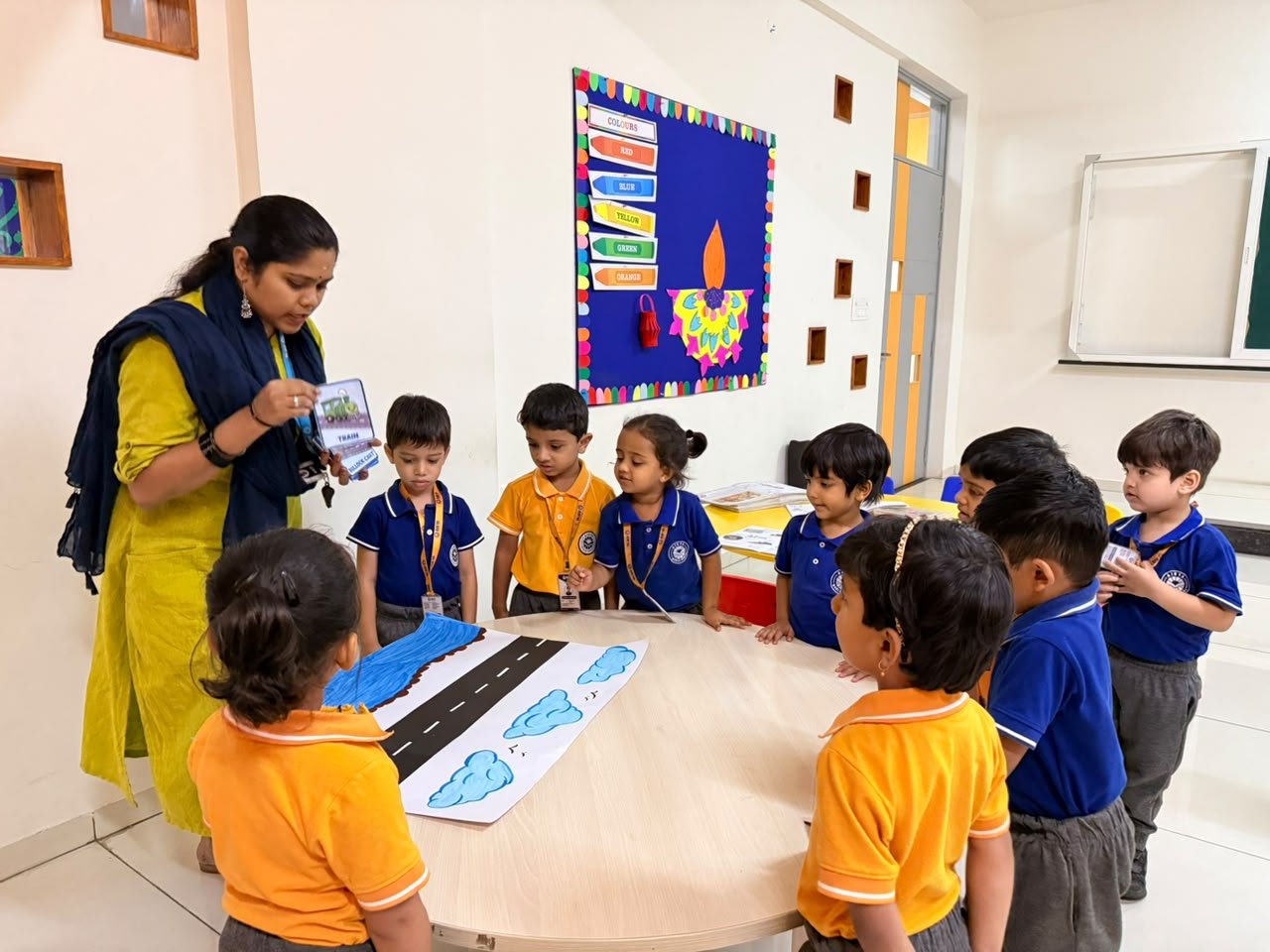
Choosing a nursery school is one of the first important educational decisions parents make for their children. It is where young learners begin exploring the world outside their homes, interacting with other children and developing the confidence to participate in new experiences.
For parents exploring a nursery school in Jayanagar, finding the right environment involves more than comparing facilities, fees or proximity to home. The teaching approach, teachers, classroom environment, safety measures and opportunities for early learning all deserve attention.
A good nursery school should provide a welcoming environment where children can learn through play, develop social skills, express themselves creatively and gradually become comfortable with structured learning.
Here are eight important factors parents should consider before choosing a nursery school.
What should parents look for in a nursery school?
Parents should look for qualified teachers, a safe classroom environment, age-appropriate learning activities, play-based education, individual attention, hygiene practices and effective parent-teacher communication.
Why Choosing the Right Nursery School Matters
The early years play an important role in a child’s physical, cognitive, language, social and emotional development.
According to the National Curriculum Framework for Foundational Stage developed by NCERT, the foundational stage covers children between three and eight years of age. It emphasises developmentally appropriate education and recognises the importance of play-based learning.
A supportive nursery environment gives children opportunities to:
- Develop communication and language skills.
- Interact and build relationships with other children.
- Explore colours, shapes, sounds and numbers.
- Develop coordination and motor skills.
- Express emotions and communicate their needs.
- Become more independent through everyday activities.
Therefore, parents should look beyond a school’s appearance and understand how its learning environment supports children’s development.
8 Important Factors to Consider When Choosing a Nursery School
1. Check the Learning Approach and Curriculum
One of the first things parents should understand is how children are introduced to learning.
At the nursery stage, education should not revolve entirely around worksheets, memorisation or formal academic expectations. Young children benefit from opportunities to explore, observe, experiment and participate in meaningful activities.
Look for a nursery programme that includes:
- Storytelling and picture books.
- Music, rhymes and movement.
- Drawing, painting and craft activities.
- Building blocks and puzzles.
- Outdoor exploration.
- Group activities and imaginative play.
These experiences help children develop curiosity and become active participants in their learning.
Ask the school how its curriculum accommodates different learning interests and developmental stages.
2. Look for Qualified and Caring Teachers
Teachers play a significant role in shaping a child’s first school experience.
For many children, nursery is their first regular interaction with adults outside their family. They need teachers who are patient, approachable and attentive to their individual needs.
During a school visit, observe how teachers interact with children.
Consider asking:
- What qualifications and early childhood training do teachers have?
- How do teachers support children who are shy?
- How are disagreements between children handled?
- How does the school respond when a child needs additional attention?
A caring teacher should encourage children to ask questions, explore their surroundings and participate without feeling pressured.
3. Evaluate Safety and the Classroom Environment
A nursery classroom should feel welcoming, comfortable and appropriate for young children.
Parents should pay attention to the physical environment and the school’s safety practices.
Check whether:
- Classrooms are clean and well-ventilated.
- Furniture is appropriate for young children.
- Learning materials are accessible and age-appropriate.
- Play equipment is maintained properly.
- Washrooms are hygienic and child-friendly.
- Entry and exit procedures are clearly managed.
Also ask about visitor access, emergency procedures, supervision during outdoor activities and how the school communicates safety-related concerns to parents.
Do not hesitate to ask for a campus walkthrough before making an admission decision.
4. Understand the Importance of Play-Based Learning
Play is not simply a break from learning. It is one of the important ways young children understand their surroundings.
Through play, children experiment, communicate, solve simple problems and learn to interact with others.
For example:
- Building blocks encourage spatial awareness and problem-solving.
- Pretend play encourages imagination and communication.
- Group games introduce cooperation and turn-taking.
- Drawing and painting encourage creative expression.
- Music and movement activities support coordination and listening skills.
The Ministry of Women and Child Development also highlights play-based and activity-based approaches in early childhood care and education.
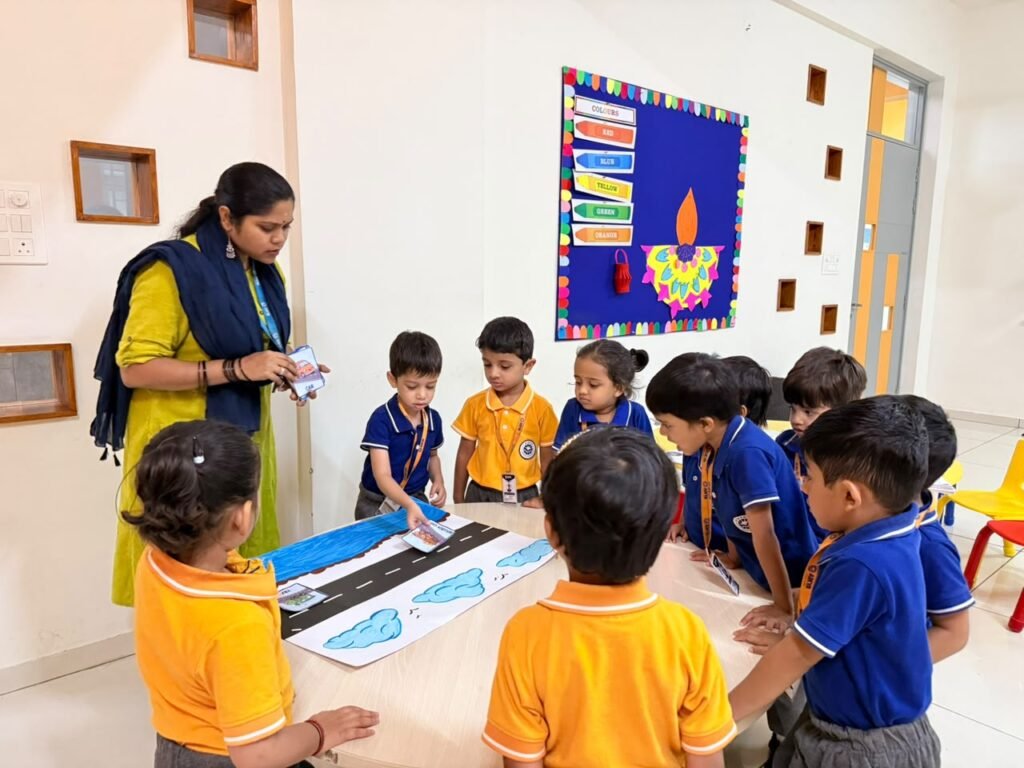
Parents should therefore understand how much time children spend exploring, creating and participating in hands-on activities.
5. Check Classroom Size and Individual Attention
Every child develops at a different pace. Some children participate actively in group activities, while others need more time to become comfortable.
A supportive nursery environment should allow teachers to recognise these differences.
Ask the school about:
- The number of children in each classroom.
- The number of teachers and supporting staff.
- How individual learning needs are addressed.
- How children are encouraged to participate.
- How teachers identify when a child needs additional support.
Rather than focusing only on a numerical student-teacher ratio, understand how the school ensures that every child receives appropriate attention.
6. Consider Social and Emotional Development
Nursery education is not limited to introducing letters, numbers and basic concepts.
Parents can also support their child’s development at home by following practical parenting tips for preschoolers, including encouraging independence, building healthy routines and helping children express their emotions.
A good learning environment should encourage:
- Sharing and taking turns.
- Respecting other children.
- Expressing feelings appropriately.
- Participating in group activities.
- Developing confidence and independence.
- Understanding simple classroom routines.
Parents should ask how teachers help children adjust to school, particularly during their first few weeks. A gradual and supportive transition can make the initial school experience more comfortable.
7. Observe Hygiene and Daily Routines
Young children are still developing personal hygiene habits and learning to follow everyday routines.
Parents should understand how the school maintains cleanliness and supports these habits.
Check for:
- Clean drinking water.
- Hygienic washrooms.
- Regular classroom cleaning.
- Clean and safe play equipment.
- Appropriate food and snack arrangements.
- Handwashing routines.
- Rest and activity schedules.
Also ask how the school handles situations where children feel unwell during school hours.
These everyday practices contribute to a comfortable learning environment.
8. Evaluate Parent-Teacher Communication
A child’s development is supported by a partnership between the family and the school.
Parents should understand how teachers communicate children’s progress, classroom experiences and any concerns that may arise.
Ask whether the school provides:
- Regular parent-teacher interactions.
- Updates about classroom activities.
- Information about developmental progress.
- Opportunities to discuss individual concerns.
- Clear communication about school routines and events.
Good communication helps parents understand how their children are adjusting and where additional support may be useful.
What Should Parents Check During a Nursery School Visit?
A campus visit gives parents an opportunity to understand the actual learning environment rather than relying only on brochures or website descriptions.
Use this checklist during your visit:
| What to check | What parents should observe |
| Classrooms | Clean, bright and child-friendly spaces |
| Teachers | Patient, approachable and attentive interactions |
| Learning materials | Age-appropriate books, toys and activity resources |
| Play areas | Safe and properly maintained equipment |
| Hygiene | Clean washrooms and drinking water |
| Safety | Supervision and controlled entry and exit |
| Learning approach | Opportunities for play and exploration |
Spend time observing how children and teachers interact. This can tell you more about the school’s environment than a facilities brochure.
Understanding Nursery Admission Age
Parents should check the age criteria before applying for nursery admission.
Under India’s National Education Policy framework, the Foundational Stage covers children aged three to eight years, including three years of preschool education followed by Grades 1 and 2.
However, the exact nursery admission age and cut-off date can vary between schools and admission policies.
For example, Aikya World School’s published admission information lists:
- Toddlers: 2–3 years.
- Nursery: 3–4 years.
- KG 1: 4–5 years.
- KG 2: 5–6 years.
The published age calculation is based on June 1 of the academic year. Parents should confirm the applicable academic-year criteria and available grade placement directly with the school before applying.
Exploring Pre-Primary Education at Aikya World School
For parents exploring early education options in Jayanagar, Aikya World School offers a pre-primary programme focused on creating a nurturing environment for young learners.
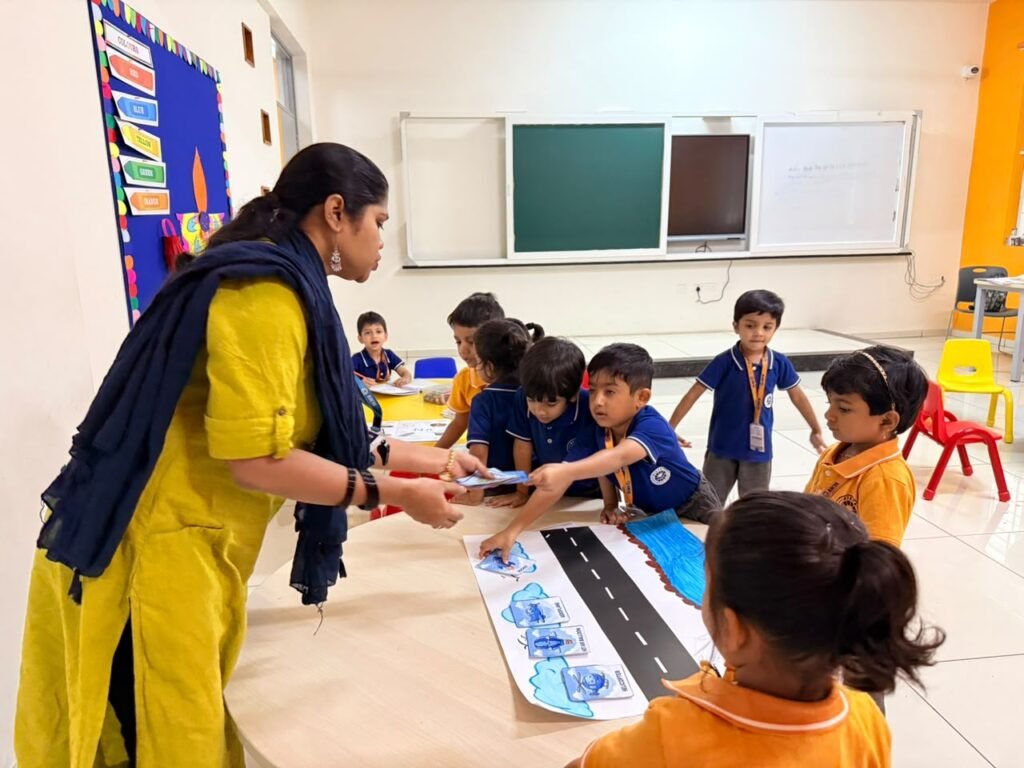
The programme highlights play-based and experiential learning, helping children develop essential skills while exploring their surroundings.
Its stated learning approach includes:
- Play-based learning: Hands-on activities and games that encourage exploration.
- Creative expression: Art activities and storytelling that encourage imagination.
- Social and emotional development: Opportunities to develop friendships, empathy and self-regulation.
- Individual attention: Supporting children as they progress at their own pace.
- Parent involvement: Family-oriented activities that encourage connections between parents and the school.
Located in Jayanagar 9th Block, Aikya World School invites parents to explore its pre-primary programme and understand its approach to early education.
Parents can visit the Aikya World School Pre-Primary Programme page to learn more about the programme.
Conclusion
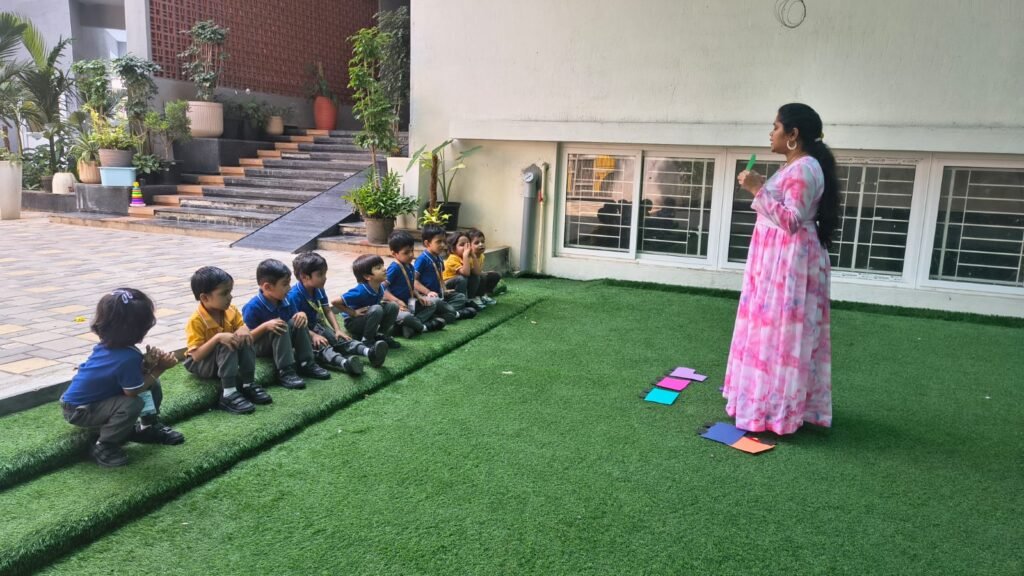
Choosing the right nursery school is about finding an environment where children feel comfortable, supported and encouraged to explore.
For parents researching nursery schools in Jayanagar, the decision should go beyond facilities and admission fees. Pay attention to teachers, classroom experiences, play-based learning, safety and opportunities for children’s overall development.
Take time to visit shortlisted schools, ask questions and understand their approach to early education. The right choice is one that supports your child’s developmental needs and makes the beginning of their educational journey a positive experience.
If you are exploring pre-primary education in Jayanagar, you can also visit Aikya World School to learn more about its programme and admission requirements.
Frequently Asked Questions
1. How do I choose the right nursery school in Jayanagar?
Look for a nursery school that provides a safe environment, caring teachers, age-appropriate learning activities, play-based education and opportunities for social and emotional development. Visit the campus and understand the curriculum before making a decision.
2. What is the right age for nursery admission?
Nursery admission commonly begins around three years of age, although the exact eligibility and cut-off date depend on the school’s admission policy. Parents should verify the age criteria for the relevant academic year.
3. Why is play-based learning important in nursery?
Play-based learning helps children develop communication, creativity, coordination, problem-solving and social skills. Activities such as storytelling, building blocks, music and imaginative play allow children to learn through exploration and participation.
4. What should children learn in nursery?
Nursery children are generally introduced to foundational concepts through age-appropriate activities. These may include language development, early number concepts, colours, shapes, storytelling, creative expression, physical coordination and social interaction.
5. What questions should parents ask before nursery admission?
Parents should ask about the admission age, curriculum, teacher qualifications, classroom size, safety procedures, daily activities, hygiene practices, school timings and parent-teacher communication.
6. Is location important when choosing a nursery school?
Yes. A school located within a convenient distance can make daily travel easier for young children and parents. However, location should be considered alongside teaching quality, safety, learning experiences and the child’s overall comfort.