
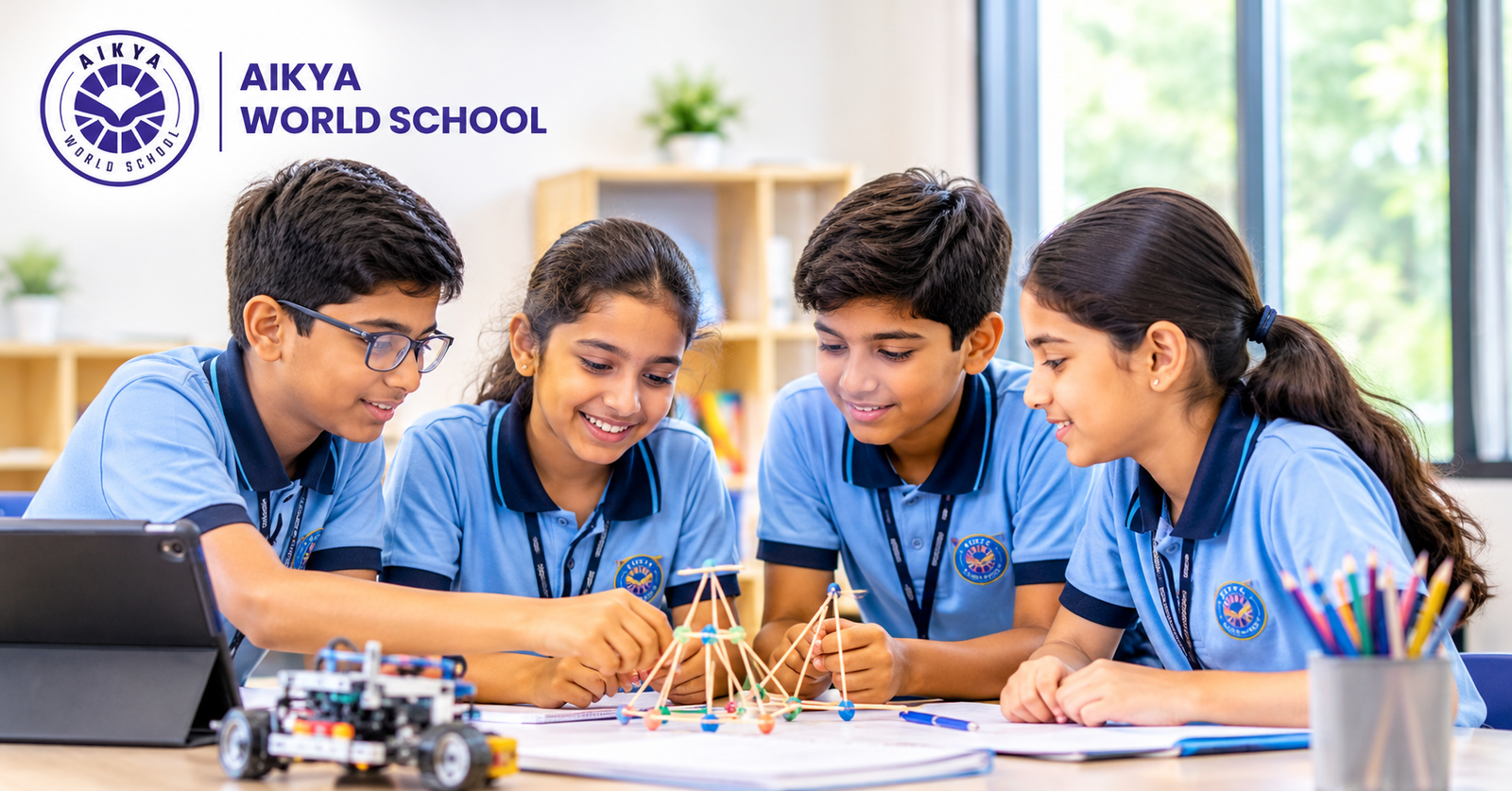
Good academic performance is important, but preparing children for the future involves much more than learning lessons and scoring well in examinations. Students also need to communicate confidently, think independently, solve problems, work with others and adapt to unfamiliar situations.
These abilities are known as future-ready skills for students. While some develop through classroom learning, many grow through experiences beyond textbooks, such as playing sports, participating in creative activities, pursuing hobbies, taking responsibility at home and working on group projects.
For parents, the important question is not simply which skills children need, but how they can develop them through everyday experiences. Here are eight important skills and the opportunities that help children practise them.
What Are Future Ready Skills for Students?
Future-ready skills are abilities that help students apply what they know, respond to new situations, interact effectively with others and continue learning as the world changes.
They include critical thinking, creativity, communication, collaboration, problem-solving, adaptability, emotional intelligence and digital literacy. These skills complement academic knowledge by helping children use what they learn in practical situations.
For example, a child who participates in a group activity learns more than the activity itself. They may need to share ideas, listen to others, divide responsibilities, manage disagreements and work towards a common goal. These are transferable skills that can be useful in school, relationships and future careers.
Why Do Students Need Skills Beyond Academic Knowledge?
Academic subjects give children essential knowledge and a foundation for further learning. However, real-life situations often require them to use that knowledge in unfamiliar ways.
A student may understand a science concept but still need to think creatively when designing a simple experiment. Another child may know the rules of a sport but need patience, communication and teamwork to play effectively with others.
The National Education Policy and India’s evolving school education framework recognise the importance of holistic development, practical learning and skill development alongside academic learning.
Developing these abilities early can help children become more independent learners, thoughtful decision-makers and responsible members of their communities.
8 Future Ready Skills Students Can Develop Beyond the Classroom
1. Critical Thinking and Problem-Solving
Critical thinking is the ability to examine information, ask questions, consider different viewpoints and make reasoned decisions. Problem-solving involves identifying a challenge and finding a suitable way to address it.
Children can practise these abilities through puzzles, board games, building activities, science experiments, outdoor exploration and everyday situations.
For example, when a child builds a structure using blocks and discovers that it keeps falling, they have an opportunity to examine what went wrong and try a different approach. Similarly, planning how to complete a group project within a given time encourages students to think about priorities and possible solutions.
2. Communication Skills
Communication is more than speaking clearly. It also involves listening carefully, expressing thoughts respectfully, asking questions and understanding different perspectives.
Activities such as storytelling, reading aloud, drama, music performances, group discussions and presentations can give children opportunities to communicate with different people.
For instance, a child participating in a drama performance may need to understand a character, remember lines, respond to fellow performers and express emotions. A student explaining the rules of a game to friends practises giving clear instructions.
3. Collaboration and Teamwork
Collaboration means working with others towards a shared goal. It requires listening, sharing responsibilities, respecting different opinions and finding ways to work through disagreements.
Team sports offer natural opportunities to practise these abilities. A football player, for example, needs to understand how individual decisions affect the team. A student participating in a group art project must coordinate with others and contribute to a common outcome.
Children can also develop teamwork through school events, community activities, group assignments and family tasks.
It is important for children to understand that collaboration does not mean everyone must have the same idea. Learning to consider different perspectives is part of working effectively with others.
4. Creativity and Innovation
Creativity is the ability to explore ideas, imagine possibilities and approach challenges in different ways. It is not limited to drawing or painting. Children can demonstrate creativity through storytelling, music, dance, design, experiments, construction and problem-solving.
Consider a child who is asked to create a model using everyday materials. They must imagine what they want to make, select suitable materials and work out how to bring the idea to life.
Co-cirricular activities like art, craft, music, drama and hands-on STEAM activities can provide opportunities for this kind of exploration.
5. Adaptability and Resilience
Adaptability is the ability to adjust when circumstances, expectations or plans change. Resilience is the ability to respond to setbacks, recover and continue making an effort.
These abilities develop gradually through experiences that involve both success and difficulty.
A child learning to swim, for example, may need regular practice before becoming comfortable in the water. A student preparing for a performance may need to adjust after forgetting a line or making a mistake during rehearsal.
Such experiences can help children understand that progress takes time and that a setback does not have to be the end of an effort.
6. Emotional Intelligence and Empathy
Emotional intelligence involves recognising and managing one’s emotions while understanding how other people may feel. Empathy helps children consider another person’s experiences and respond with sensitivity.
Children practise these skills when they share resources, resolve disagreements, support a friend or learn to accept that others may have different opinions.
Group activities, team sports, drama and everyday friendships can all provide opportunities to develop social and emotional awareness.
7. Leadership and Decision-Making
Leadership is not simply about being in charge. It also involves taking responsibility, making thoughtful decisions, supporting others and contributing to a shared goal.
Children can practise leadership skills in small ways. They might organise a group activity, help plan a family outing, take responsibility for a classroom task or encourage teammates during a game.
These experiences allow children to make decisions and understand that their choices can affect others.
8. Digital and Financial Literacy
Children are growing up in a world where digital tools and financial decisions are part of everyday life. They need to understand how to use technology responsibly and develop basic awareness of money.
Digital literacy includes finding and evaluating information, protecting personal information, recognising unreliable content and behaving responsibly online. It is not simply knowing how to operate a device.
Financial literacy can begin with simple experiences such as understanding the difference between needs and wants, saving pocket money, comparing prices and planning a small purchase.
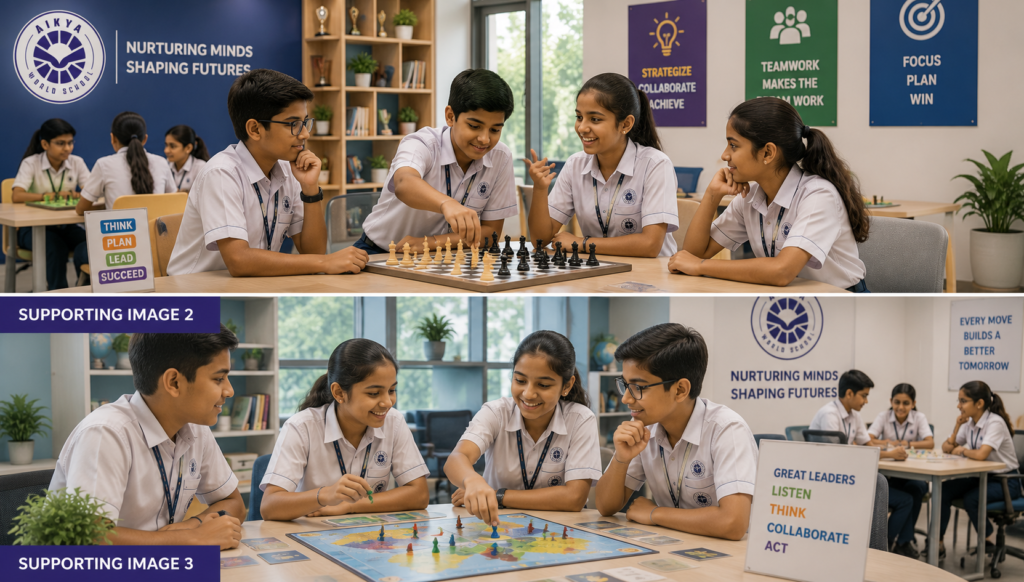
How Everyday Activities Help Students Develop Future Ready Skills
Children do not need a separate lesson for every future-ready skill. Many everyday activities give them opportunities to practise several abilities together.
Sports and Physical Activities
Sports encourage children to practise teamwork, communication, discipline, decision-making and resilience. Playing a team game requires students to understand shared goals, follow rules and respond to changing situations.
Individual sports and physical activities also provide opportunities to practise concentration, self-discipline and personal goal-setting.
Music, Dance, Art and Drama
Creative activities give children opportunities to express themselves, explore ideas and develop confidence. Music involves listening and coordination, while dance encourages movement, practice and expression. Drama can help children understand different perspectives and communicate through performance.
These experiences can support creativity, concentration, collaboration and self-expression.
Hobbies, Projects and Hands-On Experiences
Hobbies allow children to explore interests beyond academic requirements. Gardening, cooking, photography, reading, building models and conducting simple experiments can all encourage curiosity and independent learning.
Hands-on projects are particularly useful because children have opportunities to plan, experiment, observe results and make improvements.
Family Responsibilities and Community Participation
Everyday responsibilities can also support skill development. Helping prepare a meal, organising a study space, planning a family activity or participating in a community initiative can encourage responsibility, communication and decision-making.
Children can learn that their contributions matter and that being part of a group involves considering other people’s needs.
What Role Do Schools Play in Developing Future Ready Skills?
Schools can help students develop future-ready skills by creating opportunities to apply knowledge in different settings. Classroom discussions, projects, experiments, sports, arts, performances and collaborative activities can all contribute to a broader learning experience.
At Aikya World School, Jayanagar, learning opportunities extend beyond conventional classroom instruction through hands-on learning, project-based experiences and a range of co-curricular activities.
The school’s published programmes include sports such as basketball, football, cricket and pickleball, alongside music, dance, drama, arts and STEAM-focused experiences. These activities provide different settings in which students can explore interests, express ideas and participate with others.
For parents evaluating schools, it is useful to ask how children participate in these activities, what responsibilities they take on and how learning connects with everyday experiences.
A school’s approach to holistic development is not defined only by the number of activities it offers. The quality of participation and the opportunities children receive to think, create, communicate and collaborate matter too.
Do Future Ready Skills Replace Academic Learning?
No. Future-ready skills do not replace academic knowledge. They complement it.
Reading, writing, mathematics, science and other subjects provide the knowledge children need to understand the world. Skills such as critical thinking, communication and problem-solving help them apply that knowledge in different situations.
A balanced education gives children opportunities to build a strong academic foundation while developing the confidence and practical abilities to use what they learn.
Preparing Children for a Changing World
Preparing children for the future is not about predicting exactly which careers they will choose or which technologies they will use. It is about helping them become curious, capable and confident learners who can think independently, work with others and respond thoughtfully to new situations.
Sports, creative pursuits, hobbies, hands-on projects and everyday responsibilities all offer opportunities to develop these abilities. When schools and families recognise the value of learning beyond textbooks, children have more ways to discover their strengths and practise skills that can support them throughout life.
Parents exploring schools in Jayanagar and South Bangalore can learn more about Aikya World School’s approach to hands-on learning and its co-curricular activities.
Frequently Asked Questions
1. What are the most important future-ready skills for students?
Important future-ready skills include critical thinking, problem-solving, communication, collaboration, creativity, adaptability, resilience, emotional intelligence, digital literacy and decision-making. These abilities help students apply knowledge and respond to changing situations.
2. How can students develop skills beyond the classroom?
Students can develop these skills through sports, hobbies, music, dance, drama, art, group projects, family responsibilities and community participation. Such experiences offer opportunities to practise teamwork, communication, creativity and independent thinking.
3. How do extracurricular activities help students?
Extracurricular activities give students opportunities to explore interests and practise skills outside regular academic lessons. Depending on the activity, children may develop confidence, teamwork, discipline, communication, creativity and leadership.
4. How can parents help children become future-ready?
Parents can encourage curiosity, support hobbies, give children age-appropriate responsibilities and allow them to solve everyday problems. Listening to children, appreciating effort and providing opportunities for social interaction can also support their development.
5. Are future-ready skills important for primary school students?
Yes. Children can begin developing these abilities from an early age through play, storytelling, group activities, creative exploration and simple responsibilities. The activities and expectations should become more challenging as children grow.